A Responsible Buyer’s Checklist Before Choosing a Firearm: What to Check First

A first purchase can be confusing when the goal is clear: finding a dependable firearm for lawful use. The safest way to approach this is to start by defining the purpose making sure you are ready for the responsibilities and looking at the cost of owning the firearm. Think of this decision as a series of checks not a product choice.

Define the job before browsing models

Write down the purpose in plain language. It could be supervised range practice, recreational target shooting, hunting where allowed or another activity that follows laws. A clear goal helps set boundaries for comparison.

Consider where the firearm will be kept, who might have access to it how often you plan to practice. Whether you can transport it safely to a suitable range. These details affect size, controls, maintenance needs and storage requirements. If secure storage or regular training isn't possible yet it might be better to wait before buying.

Don't choose based on looks, online hype or one feature. A small model may fit easily. Feel awkward to handle. A larger gun might feel stable at the range. Be hard to carry. Pick the one that fits your situation. One you can control safely keep maintained and store properly.

Confirm the legal and training foundation

Laws about buying, owning, carrying, storing, transferring, permits and using the firearm vary by location. Can change. Before spending money check rules from official sources. Ask the dealer. Range what paperwork and procedures are needed. Don't trust forum posts, guesses or advice from people in other places.

Anyone who might come into contact with the firearm should know safety rules and understand how it's stored. If children, guests or someone in crisis could reach it access control must be solved before the purchase.

A solid beginner course teaches handling, loading and unloading range commands and local expectations. This training doesn't replace the owner's manual. It helps you decide if the design feels right before you buy.

Judge fit, controls and usability

The best way to compare firearms is hands-on and guided. At a range or with an experienced instructor ask whether you can reach the controls without shifting grip too much see the sights clearly and operate the action smoothly. Poor fit makes handling and consistent practice harder.

Look for controls that feel confusing hard to reach or easy to activate by accident. Ask how the firearm shows its status and what the manual says about handling. Never accept a demo that skips safety steps or treats an unloaded gun carelessly.

For a firearm simplicity matters more than having lots of features. Choose a design you understand. Can manage responsibly. Compare a few good options instead of trying every model available.

Price the ownership package

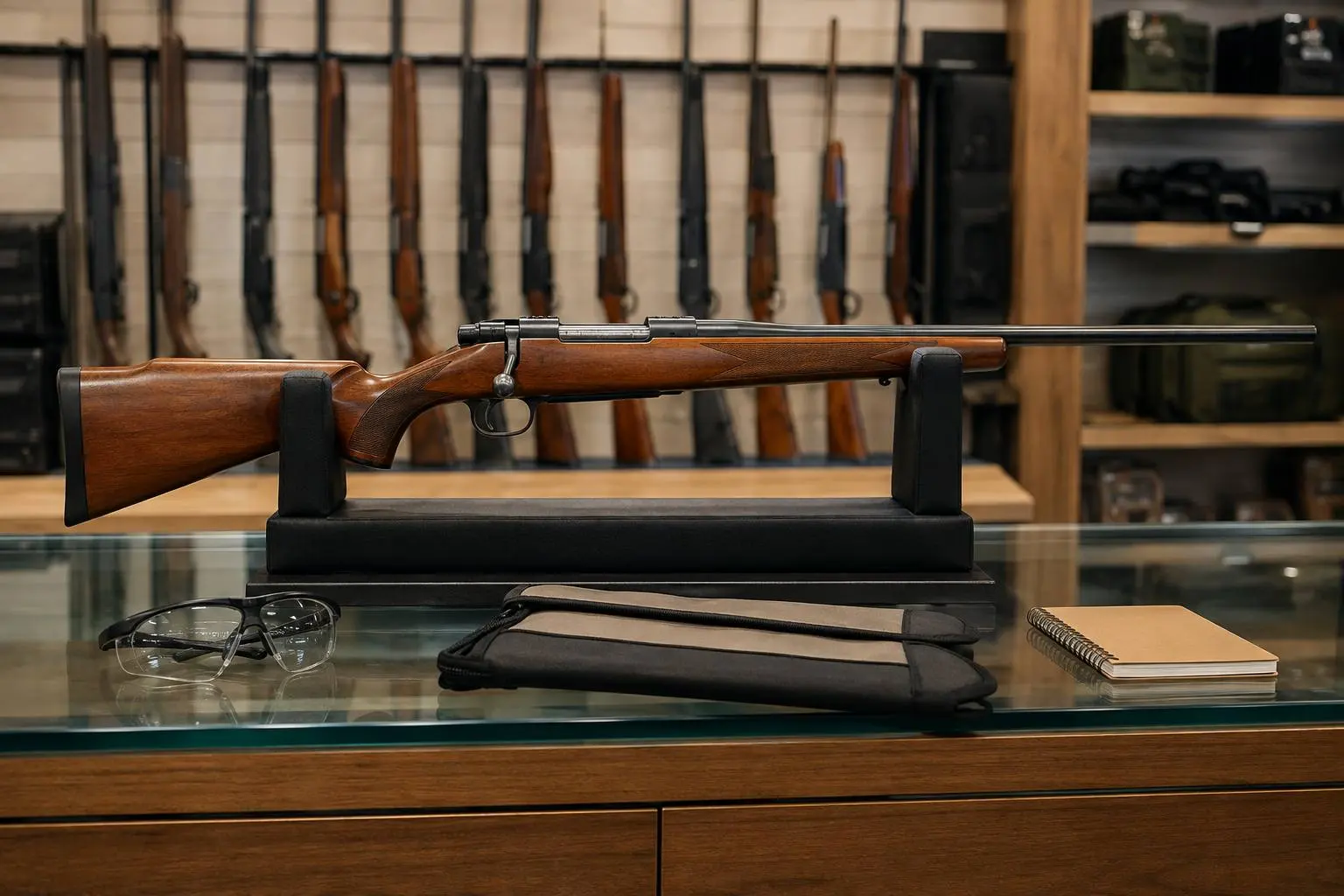
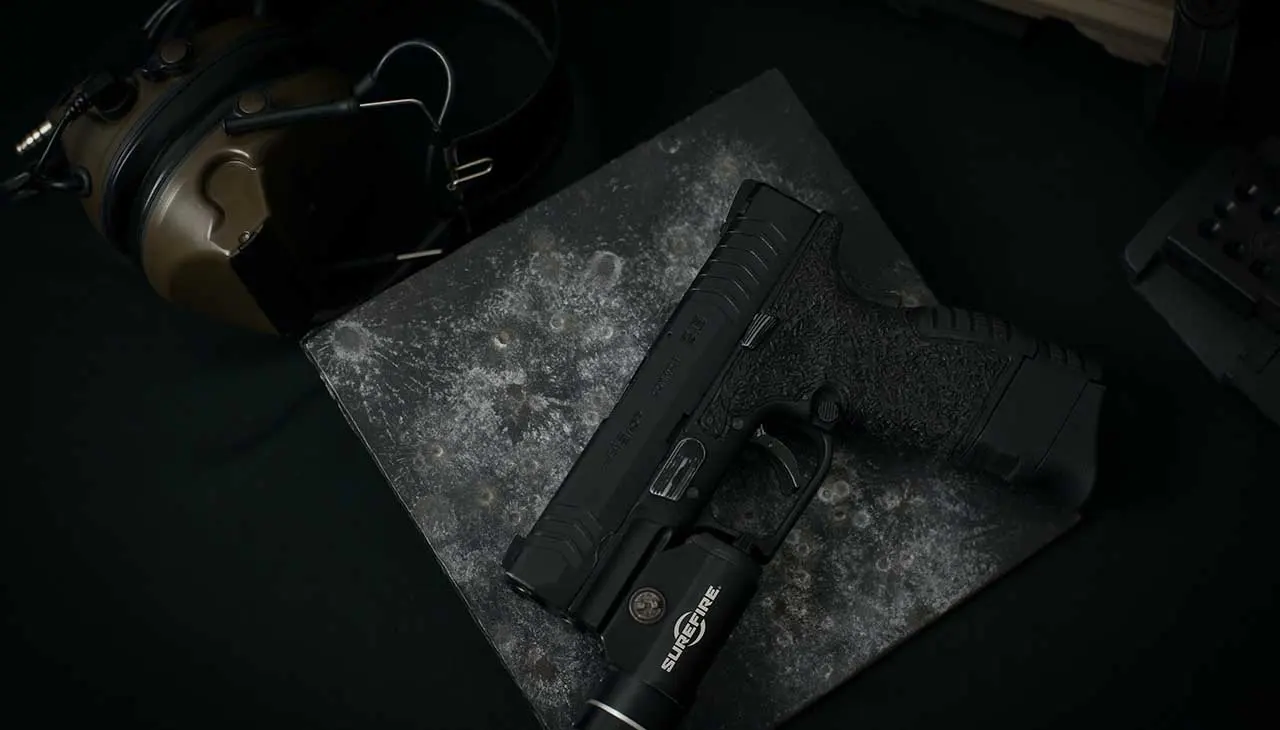
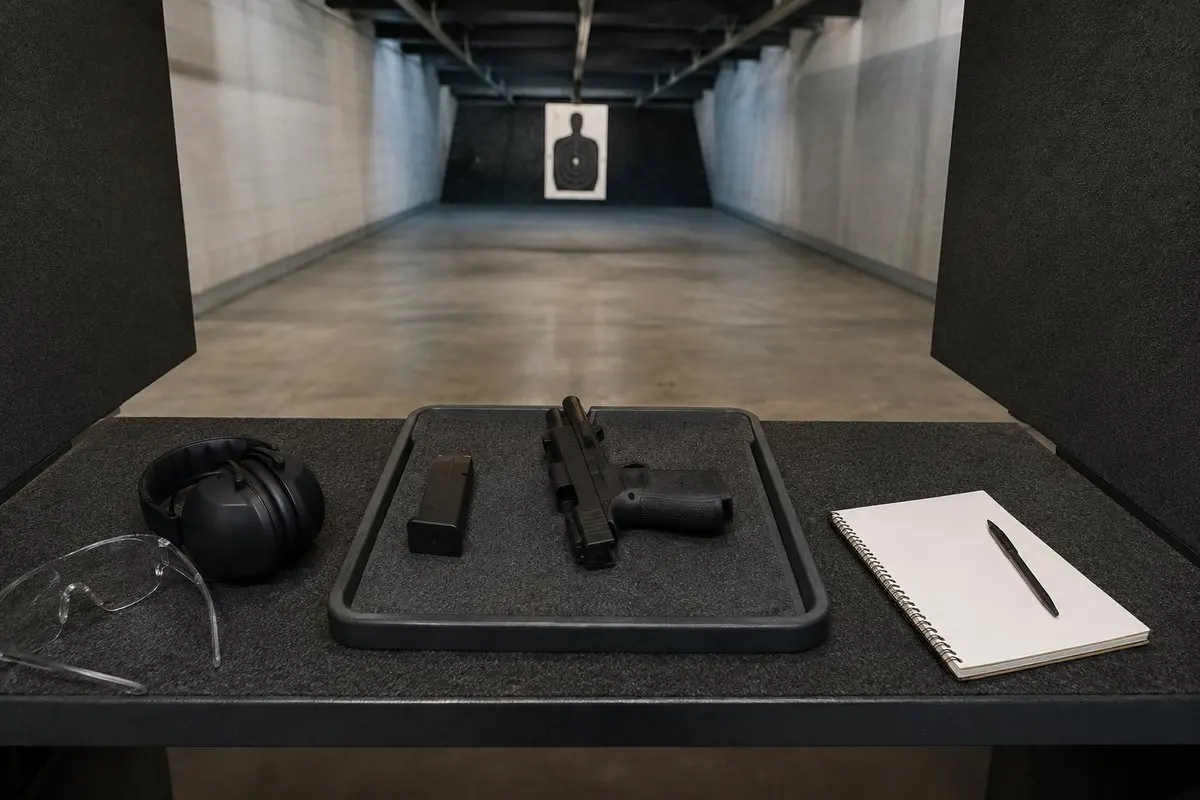
The price tag is only part of the cost. Budget for training, secure storage, eye and ear protection, cleaning supplies, safe transport gear and range fees. Depending on the type and local rules you may also need magazines or other basic equipment. Buy only what supports your stated use.

Accessories should solve problems. Eye and hearing protection are essential for range use. Secure storage prevents access. A simple maintenance kit helps keep the firearm running. Extra gadgets can wait until you know your habits and the manufacturer's recommendations. Avoid items that encourage handling, block controls or serve no clear purpose.

Also consider time. A firearm that needs cleaning, special tools or complex disassembly might not work well if you don't have time to learn the routine.

Inspect condition and documentation

For a firearm check that the box, serial number, manual and included parts match the product and transfer documents. For a firearm ask who can inspect it and what service history or records exist. Don't try to fix problems or adjust mechanisms yourself.

Before taking any firearm have a dealer or qualified person show its condition and explain the controls. Look for damage, rust, missing pieces or signs of care.. Know that a visual check has limits. If anything seems off or unclear stop the transaction. Get professional help.

Keep the manual and all service documents. Manufacturer instructions are the source for cleaning, lubrication, compatible ammo and disassembly. If someone gives advice that contradicts the manual, stop and double-check with a source.

Use this -purchase safety check

Before finalizing your decision ask:

– Is the intended use lawful and clearly defined?
– Have I checked official rules for buying, owning, carrying, storing and using the firearm?
– Can I safely use the controls after training?
– Do I have storage that keeps others from accessing it?
– Can I afford training, protective gear, maintenance supplies and regular practice?
– Have I read the owner's manual. Planned to do so before using the firearm?
– Have I inspected the condition, papers. Included parts with help from someone qualified?
– Would waiting be better if any answer is no?

That last question isn't a failure. Making a choice sometimes means waiting until training, storage, budget or legal info is ready.

Build the maintenance habit from day one

Good care starts with behavior. Follow the manual. Keep the muzzle pointed in a direction. Keep your finger off the trigger unless instructed. Always confirm the firearm is unloaded before cleaning or checking. Store ammunition away from the cleaning area. Use products and methods recommended by the manufacturer.

After each range session note anything like changed trigger feel, visible damage or a problem that interrupts normal function. Stop using the firearm if you're unsure about its condition and talk to an expert. Don't try to repair or modify it yourself.

A good first firearm isn't the complicated one. It's the one that matches the purpose fits the user works with the storage plan and matches the commitment to training and upkeep. That's the standard, for safe ownership: better questions, fewer assumptions and no shortcuts when safety or the law is involved.

Leave a Reply

Your email address will not be published. Required fields are marked *