
Finding the Right Accessories, for Your Firearm
Purchasing a firearm starts the journey that involves planning around its use and storage. New gun owners often face problems when integrating their firearms into life from keeping the weapon safe to finding accessories that work for practice at the range. A careful way of making these choices can stop decisions. Avoid extra money. So it is important to make a plan that focuses on safety and following the law when choosing storage methods and range accessories.
Assessing Your Storage Options
Choosing an secure place to keep the firearm is the step in responsible gun ownership. This means thinking about where the gun will be kept and also protecting it from things in the environment that can cause damage. For example a good safe may not be enough if it doesn't fit the firearm properly. Also a big gun cabinet that doesn't have locks could be a danger.
Storage needs change based on the type of firearm. A shotgun for example needs space because it is longer while a handgun might need a case that's small. Guns that have sights or parts need care to avoid damage. Never try to force a gun into a case that's too small because that can cause scratches and move parts out of place.
Before you decide on storage make sure you know. Follow the rules about keeping a firearm. Always look for places like official government websites or local police for the correct information. Don't just rely on advice from groups or casual talks.
Identifying Essential Accessories
The joy of getting a firearm can make people buy things they don't really need. Focus on the things that make it safer like a lock, a good case and proper safety gear like eye and ear protection. You might also need a cleaning kit and a way to carry your firearm when it is not loaded.
Also depending on the gun and the rules at the range you go to you might need things like something that shows if the gun is loaded or extra magazines. Be smart with your money: every item you buy should have a purpose that helps with safety or how the gun works.
Before you add something to your list ask yourself: Does this accessory fix a problem? Does it work with my gun? Will it make it harder to store or use? If you are not sure about any of these it is better to wait until you're certain.
Checking Compatibility Before Purchase
Problems with how things fit're common for people who own guns. Descriptions can be confusing because the words used might mean things especially when it comes to size and how it fits. Always check that the accessory is made for your gun model-check the model numbers the length of the magazines and any maker guidelines before you buy. If the details are not clear do research. Look at pictures.
When you think about holsters, straps and cleaning tools make sure they fit your gun exactly. These things should never block the controls. Push hard on any part of the gun. Don't try to change things that are not made for your model because that can cause problems when you handle the gun.
In the end accessories should make your experience better without making it more complicated. If using an accessory feels hard take a moment to think if it is really the choice for you.
Preparing for Your Range Experience
The excitement of going to a shooting range for the time should not be ruined by stress and confusion. Getting ready before you go can make your visit fun and safe. Learn about the rules of the range ahead of time. These can include rules about what kind of bulletsre allowed, what targets to use and how to handle the gun while you are there.
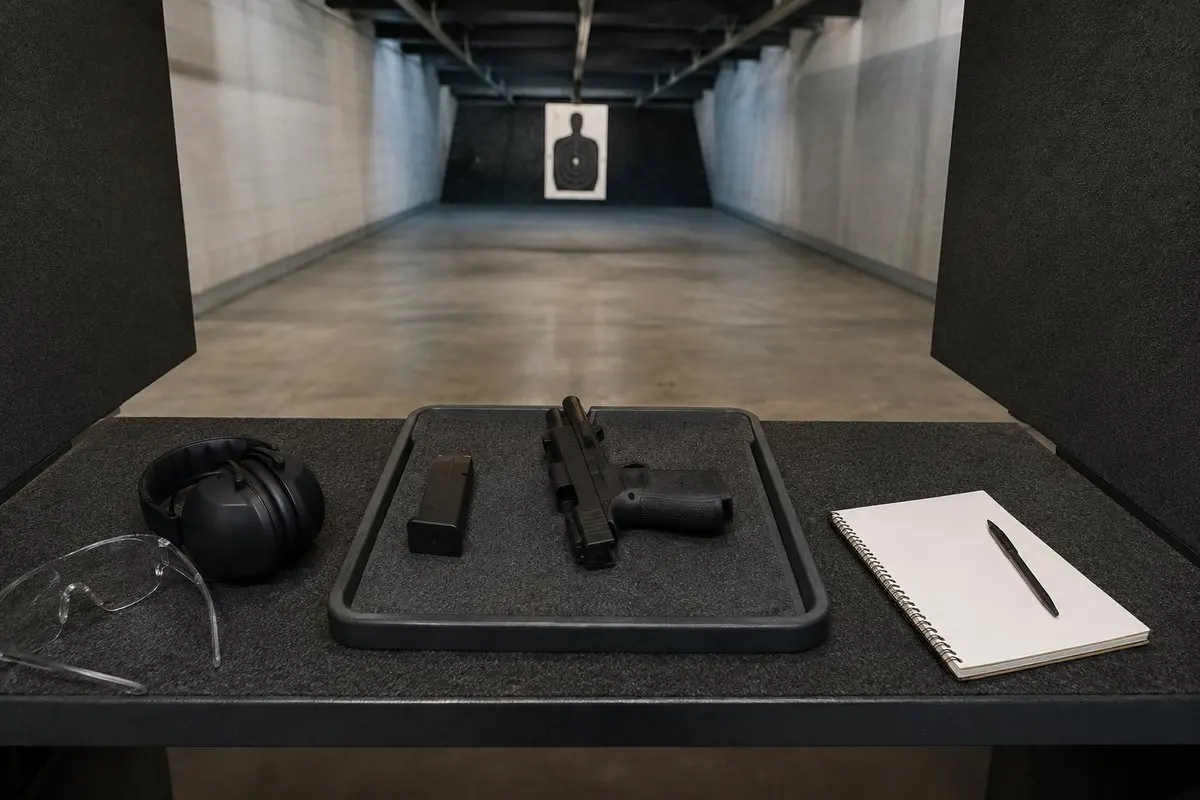
Make a bag for the range that has everything you need. Nothing extra: this should include a locked case for your gun when it is not loaded, safety items, bullets, targets and a notebook to write down what you learn. A basic cleaning kit could also be useful if you think you may need it after you finish shooting. Remember to check if the range allows food and drinks as many don't let you bring them into the shooting area.
Before you go to the range make sure you:
– Have taken the gun apart and unloaded it as the maker says.
– Put it in a case and stored the bullets according to the range rules.
– Checked that the bullets are right and clearly marked.
– Made sure your safety gear is working and fits right.
– Had the manual, range rules and your ID with you.
– Did not bring anything that you don't know what it is for until you understand what it does.
When you are at the range listen to the people working there and stay alert about safety. If you have questions ask for help of guessing because that helps keep you safe and helps you learn.
Essential Maintenance Tools for Your Firearm
Keeping your firearm in shape is important. The right tools can help. A good cleaning kit should have things that fit your gun like the brushes, cleaning solvents and places to keep parts. Remember, more tools do not mean results; using the brushes or too much oil can make cleaning harder and hurt the gun's function.
Before you clean your gun for the time read the manual carefully to know which parts you can handle and which need a pro. Trying to clean parts that should only be handled by experts can be dangerous. Cause problems.
Looking at your gun regularly is also important. Check for signs of wear, damage or loose parts. If something seems wrong stop using it. Get help from a person. Always be careful when you check the gun.
Let Your Plan Shape Your Purchases
Being responsible with a gun is more than buying it. It means making a storage plan making sure you can move it legally having a time at the range and knowing how to take care of it. A good plan helps avoid problems that come from accessories that don't match.
Keep a list of your receipts, manuals and information about what fits. As your life changes, update your storage plan. Stay up, to date with the rules and the range regulations. The best setup is one that makes it safe easy to get and use and fits your budget and the law.